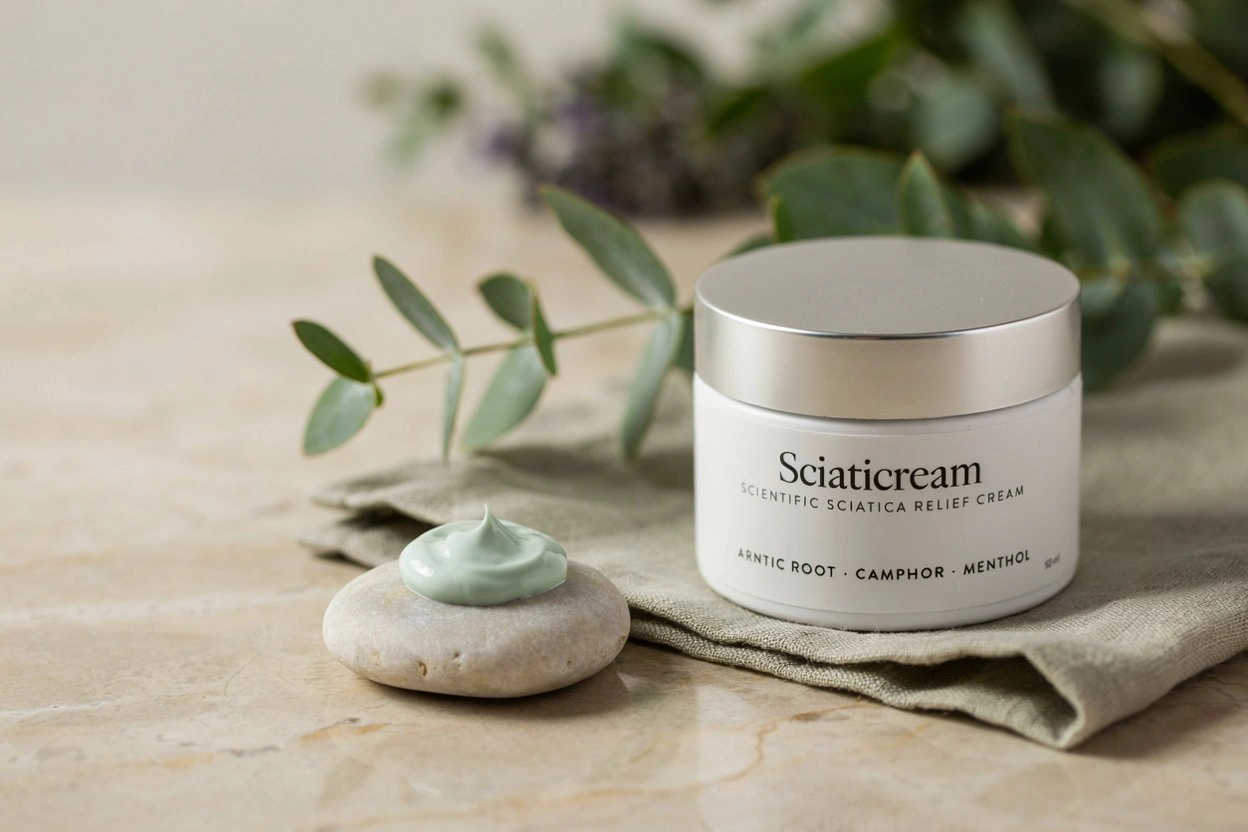
Sciaticream is a topical pain relief cream used to provide temporary relief from muscle soreness, joint stiffness, lower back pain, and sciatic nerve discomfort. It works by delivering active ingredients directly to the affected area, creating cooling or warming sensations that help reduce the feeling of pain. The content covers what Sciaticream is, how it works, its common ingredients, potential benefits, proper application, possible side effects, safety precautions, and who may use it. It also compares Sciaticream with other topical pain relief products and highlights healthy lifestyle habits that can support mobility and everyday comfort. Understanding its uses and limitations helps users make informed decisions about managing temporary pain effectively.
What Is Sciaticream?
Sciaticream is a topical analgesic cream formulated to provide temporary relief from muscle soreness, joint discomfort, back pain, and nerve-related irritation. Instead of entering the bloodstream through digestion, the cream is applied directly to the skin over the painful area, allowing its active ingredients to work where they are needed most.
Topical pain relief products have been used for decades as part of everyday pain management. They are especially useful for individuals who experience localized discomfort rather than widespread pain. Sciaticream is designed to absorb into the skin quickly, making it suitable for use throughout the day without significantly interrupting normal activities.
Although the product’s name suggests a connection with sciatic nerve pain, it is not limited to one condition. Many people use Sciaticream for temporary relief from sore muscles after exercise, stiffness caused by long periods of sitting, mild arthritis discomfort, and general aches that occur with daily activities.
One of the reasons topical creams remain popular is their ease of application. Users simply massage the cream into the affected area, allowing the active ingredients to begin producing cooling or warming sensations that may help distract pain receptors and reduce discomfort temporarily.
It is essential to recognize that Sciaticream is designed to alleviate symptoms rather than cure the underlying medical condition that causes the pain. A healthcare professional should always evaluate persistent or severe pain.
Understanding Sciatica Before Using Sciaticream
To understand why Sciaticream is frequently associated with nerve pain, it helps to understand sciatica itself.
Sciatica refers to pain that develops when the sciatic nerve becomes irritated or compressed. The sciatic nerve is the largest nerve in the human body, beginning in the lower spine, passing through the hips and buttocks, and extending down each leg.
When pressure is placed on this nerve, pain may travel along its pathway. Some individuals experience only mild discomfort, while others develop intense pain that affects walking, standing, or even sitting for extended periods.
Sciatica symptoms vary considerably from person to person. Some people describe a dull ache in the lower back, while others experience burning sensations, tingling, numbness, or sharp shooting pain extending into the leg or foot. Muscle weakness may also occur in more severe cases.
Several conditions can contribute to sciatic nerve irritation, including herniated discs, spinal stenosis, degenerative disc disease, bone spurs, muscle tightness, or injuries affecting the lower spine.
Because sciatica is a symptom rather than a disease itself, treating the underlying cause is often necessary for lasting improvement. While Sciaticream may help reduce temporary discomfort, it should not replace medical evaluation when symptoms become severe or persistent.
How Sciaticream Works on Muscle and Nerve Discomfort
One of the primary reasons people choose Sciaticream is its localized method of action. After application, the cream begins interacting with nerve endings located near the skin’s surface.
Many topical analgesic creams rely on ingredients that create cooling or warming sensations. These sensations temporarily interfere with pain signals traveling to the brain, making discomfort feel less noticeable for a period of time.
Instead of eliminating the source of pain, Sciaticream works by changing how the body perceives painful sensations. This process is often referred to as counterirritation. Cooling ingredients stimulate sensory receptors that temporarily override deeper pain signals, providing a soothing effect.
Massage also plays an important role during application. Gently rubbing the cream into sore muscles may improve circulation to superficial tissues while helping relax tense muscles. For many users, the combination of massage and topical ingredients contributes to temporary pain relief.
The cream is generally absorbed within several minutes. Depending on the product formulation and the individual’s condition, relief may last for several hours before another application becomes necessary.
Although Sciaticream is commonly applied to the lower back and legs, it may also be used on shoulders, knees, elbows, neck muscles, and other areas experiencing temporary muscular discomfort according to the manufacturer’s directions.
Common Ingredients Found in Sciaticream
The effectiveness of Sciaticream depends largely on the ingredients included in its formulation. While exact ingredient lists may vary between manufacturers or product versions, several components are commonly found in topical pain relief creams.
Menthol in Sciaticream
Menthol is one of the most recognizable ingredients used in topical analgesics. It creates a cooling sensation shortly after application, stimulating cold-sensitive nerve receptors in the skin.
This cooling effect does not actually reduce tissue temperature but changes how pain signals are perceived, making discomfort feel less intense for many users.
Menthol is frequently included in products intended for muscle soreness, joint stiffness, sports injuries, and nerve discomfort because of its rapid sensory effects.
Camphor in Sciaticream
Camphor is another ingredient commonly found in topical pain creams. It creates both cooling and warming sensations depending on concentration and individual response.
Camphor has been used for generations in muscle rubs designed to relieve minor aches and pains. Its sensory effects complement menthol, providing another mechanism that temporarily reduces awareness of pain.
Botanical Extracts
Some formulations of Sciaticream may include herbal extracts known for their soothing properties.
Ingredients such as arnica, aloe vera, eucalyptus oil, peppermint oil, tea tree oil, or other plant-derived compounds are sometimes added to support skin comfort while enhancing the overall application experience.
Although botanical ingredients are widely used in topical products, scientific evidence regarding their effectiveness varies depending on the specific extract and formulation.
Moisturizing Ingredients
Many topical creams include moisturizing agents that help prevent dryness during repeated use.
Ingredients such as glycerin, shea butter, coconut oil, or vitamin E may improve skin hydration while allowing the cream to spread evenly across larger treatment areas.
These ingredients also contribute to a smoother application, making it easier to massage the cream into muscles and joints.
Stabilizers and Preservatives
Like most skincare products, Sciaticream contains inactive ingredients that improve texture, consistency, fragrance, stability, and shelf life.
Although these ingredients do not directly contribute to pain relief, they help maintain product quality throughout its intended period of use.
Conditions for Which Sciaticream May Be Used
While the product is often associated with sciatic nerve discomfort, Sciaticream is commonly used for several types of temporary pain and stiffness.
Many individuals apply it to relieve lower back soreness after prolonged sitting or standing. Others use it following physical exercise to ease muscle fatigue and post-workout stiffness. People with mild joint discomfort may also find temporary relief by applying the cream directly over affected areas.
Individuals experiencing neck tension from desk work, shoulder soreness after lifting, knee discomfort following walking or hiking, or elbow pain caused by repetitive movement often include topical creams as part of their daily comfort routine.
Healthcare providers sometimes recommend combining topical pain relief with stretching exercises, posture improvement, physical therapy, and appropriate strengthening programs rather than relying on any single treatment alone.
Because pain can have many different causes, persistent symptoms should always be evaluated to identify any underlying medical condition requiring additional treatment.
Benefits of Sciaticream for Everyday Pain Relief
One of the biggest reasons people choose Sciaticream is its ability to provide targeted relief exactly where discomfort occurs. Unlike oral pain medications that affect the entire body, a topical cream works only on the area where it is applied. This localized approach makes it a practical option for people who experience pain in specific muscles or joints instead of widespread discomfort.
Many users appreciate the cooling or warming sensation that begins shortly after application. These sensations can temporarily distract the body’s pain receptors, making soreness and stiffness feel less noticeable. While results vary depending on the individual and the cause of the pain, many people find that Sciaticream helps them move more comfortably during everyday activities.
Another benefit is convenience. Carrying a small tube of cream is often easier than remembering to take pain medication throughout the day. Whether someone is at work, traveling, exercising, or relaxing at home, Sciaticream can usually be applied within minutes whenever temporary relief is needed.
The cream also works well alongside other pain management methods. People often use it before stretching, after exercise, during physical therapy, or before going to bed to help reduce muscle tension and improve overall comfort.
How Sciaticream May Help with Sciatica Symptoms
People experiencing sciatic nerve discomfort often look for ways to reduce pain without immediately turning to stronger medications. Although Sciaticream cannot correct problems such as herniated discs or spinal stenosis, it may help manage the discomfort associated with these conditions.
When applied to the lower back, buttocks, or upper leg, the cream creates sensory stimulation that may temporarily reduce the intensity of pain signals reaching the brain. This does not remove pressure from the sciatic nerve, but it can make movement more comfortable for some individuals.
Temporary symptom relief may encourage gentle walking, stretching, and rehabilitation exercises recommended by healthcare professionals. Remaining active within comfortable limits is often an important part of recovering from certain causes of sciatica.
However, individuals experiencing severe pain, progressive weakness, numbness, or loss of bladder or bowel control should seek immediate medical attention because these symptoms require professional evaluation rather than self-treatment.
Using Sciaticream for Muscle Soreness
Muscle soreness can occur after exercise, heavy lifting, gardening, home improvement projects, or even spending long hours in the same position. Many people choose Sciaticream as part of their recovery routine because it is easy to apply directly over tired muscles.
Athletes frequently experience delayed onset muscle soreness after intense workouts. Applying a topical cream while gently massaging the affected muscles may help reduce feelings of tightness and improve comfort during recovery.
Office workers who spend much of the day sitting may also experience stiffness in the neck, shoulders, and lower back. Applying Sciaticream after work may help ease this tension while encouraging gentle movement.
People whose jobs involve repetitive lifting, bending, or standing often use topical creams at the end of the day to help soothe overworked muscles before resting.
Can Sciaticream Help with Joint Pain?
Joint discomfort is another common reason people consider using Sciaticream. Mild arthritis, repetitive movement, previous injuries, and age-related wear can all contribute to aching joints.
Because the cream is applied directly over the painful joint, users may experience temporary relief without affecting other parts of the body. Knees, elbows, shoulders, wrists, ankles, and hands are among the most common areas where topical pain creams are used.
While Sciaticream may help reduce discomfort during daily activities, it should not be viewed as a treatment for arthritis itself. Long-term joint conditions require proper diagnosis and management that may include physical therapy, weight management, medication, and exercise.
Who Can Use Sciaticream?
Many adults experiencing temporary muscle or joint discomfort may consider using Sciaticream according to the product instructions.
Older adults often use topical creams to manage everyday stiffness associated with aging. Individuals recovering from physical activity may apply the cream after workouts to support muscle comfort. Office employees dealing with posture-related discomfort may also find localized relief helpful throughout the workweek.
People involved in physically demanding occupations such as construction, healthcare, manufacturing, warehouse work, or landscaping frequently experience repetitive muscle strain. Topical creams offer a convenient option that can be incorporated into their daily routine.
Even individuals who enjoy recreational activities such as hiking, cycling, tennis, golf, or running sometimes use Sciaticream after extended activity to relieve temporary soreness.
Regardless of the situation, individuals should always read the product label carefully and consult a healthcare provider if they have questions about existing medical conditions or medication interactions.
How to Apply Sciaticream Correctly
Proper application plays an important role in achieving the best possible results with Sciaticream.
Before applying the cream, wash and dry the affected area thoroughly. Clean skin allows the product to spread evenly and absorb more effectively.
Squeeze a small amount of cream onto clean fingertips and gently massage it into the painful area using slow circular motions. Continue rubbing until the cream has been absorbed into the skin.
There is usually no need to apply excessive amounts. Using more product than recommended does not necessarily improve results and may increase the likelihood of skin irritation.
After application, wash your hands carefully unless you have been treating discomfort in your hands. Avoid touching your eyes, nose, mouth, or other sensitive areas until your hands have been cleaned.
Many topical creams recommend applying the product several times throughout the day if needed. Always follow the directions printed on the product packaging rather than exceeding the recommended frequency.
Areas Where Sciaticream Can Be Applied
The versatility of Sciaticream makes it suitable for several parts of the body where temporary muscular or joint discomfort commonly develops.
Many people apply the cream to the lower back to reduce stiffness after prolonged sitting or lifting. Others use it on the hips and buttocks when experiencing sciatic nerve irritation.
The shoulders and neck are also common treatment areas, particularly for individuals who spend hours working at computers or driving. Knees, elbows, wrists, ankles, calves, thighs, and upper arms may also benefit from localized application when temporary soreness develops.
The cream should never be applied to broken skin, open wounds, severe burns, infected areas, or mucous membranes.
When You May Notice Results from Sciaticream
The time required for Sciaticream to provide relief varies depending on the individual’s condition, pain severity, skin type, and the formulation of the product.
Many users begin noticing cooling or warming sensations within several minutes after application. These sensations often signal that the active ingredients are beginning to stimulate sensory receptors in the skin.
Temporary pain relief may follow shortly afterward, although the duration differs between individuals. Some users experience relief for several hours before another application becomes necessary.
For ongoing muscle soreness or stiffness, consistent use according to the manufacturer’s instructions may produce more reliable comfort than occasional application.
Since every person’s pain experience is different, no topical cream can guarantee identical results for everyone.
Possible Side Effects of Sciaticream
Most individuals tolerate Sciaticream well when used according to the instructions. However, like any topical product, side effects may occasionally occur.
The most commonly reported reactions include mild redness, temporary burning sensations, slight itching, or skin irritation where the cream has been applied. These reactions are generally short-lived and disappear after the product is removed or absorbed.
Individuals with sensitive skin may benefit from performing a small patch test before applying the cream to larger treatment areas. Applying a small amount to the inside of the forearm and waiting twenty-four hours can help identify possible skin sensitivity.
If severe irritation, swelling, blistering, rash, or signs of an allergic reaction develop, discontinue use immediately and seek medical advice.
A healthcare professional should also evaluate persistent discomfort that does not improve despite repeated application.
Safety Precautions When Using Sciaticream
Although Sciaticream is designed for external use, following basic safety precautions helps reduce the risk of unwanted reactions.
Always avoid contact with the eyes, inside the nose, mouth, and other sensitive areas. If accidental contact occurs, rinse thoroughly with clean water.
Do not apply the cream beneath tight bandages unless instructed by a healthcare provider. Covering freshly treated skin may increase absorption and lead to irritation.
Heating pads, hot water bottles, electric blankets, or other external heat sources should generally not be placed over areas where topical pain creams have recently been applied. Combining heat with medicated creams can sometimes increase skin irritation.
Pregnant or breastfeeding individuals should consult their healthcare provider before using topical pain relief products. The same recommendation applies to people with chronic medical conditions or those taking multiple prescription medications.
Children should only use topical analgesic creams under adult supervision and according to age recommendations provided by the manufacturer.
Most importantly, Sciaticream should not be considered a replacement for professional medical care when pain becomes severe, persistent, or is accompanied by symptoms such as significant weakness, numbness, fever, or loss of bladder or bowel control.
Sciaticream Compared with Other Topical Pain Relief Products
The market offers many creams, gels, sprays, and patches designed to relieve temporary muscle and joint pain. What makes Sciaticream different is its focus on localized nerve, muscle, and back discomfort while using ingredients commonly found in topical analgesics.
Most topical pain relief products rely on ingredients such as menthol, camphor, capsaicin, or salicylates to produce cooling or warming sensations. Sciaticream follows a similar approach by targeting the painful area directly rather than affecting the entire body.
The right product often depends on personal preference. Some people prefer creams because they absorb smoothly into the skin, while others choose gels that dry quickly or patches that provide longer-lasting contact. Since individual responses vary, one product may work better for one person than another.
Reading ingredient labels and following manufacturer directions can help users select a product that matches their needs while avoiding ingredients they may be sensitive to.
Sciaticream Versus Oral Pain Relievers
Many people compare Sciaticream with oral pain medications when deciding how to manage temporary discomfort. Although both aim to reduce pain, they work in different ways.
Oral pain relievers travel through the digestive system before entering the bloodstream, allowing them to affect multiple areas of the body. This may be useful for widespread pain, but it also means the medication reaches tissues that are not causing discomfort.
Sciaticream works differently because it is applied directly to the painful area. Instead of circulating throughout the body, the cream focuses on localized relief where it is needed most. For individuals experiencing soreness in one specific area, this targeted approach may be sufficient without relying entirely on oral medication.
Healthcare providers sometimes recommend combining several treatment strategies, including topical products, stretching exercises, posture improvement, and physical therapy, depending on the underlying cause of the pain.
Anyone considering long-term use of oral pain medication should consult a healthcare professional to discuss the most appropriate treatment plan.
Lifestyle Habits That Can Improve the Effectiveness of Sciaticream
Although Sciaticream may help relieve temporary discomfort, healthy daily habits often contribute to better long-term results. Addressing the underlying causes of muscle tension and nerve irritation can reduce the frequency of painful episodes.
Maintaining proper posture while sitting helps reduce unnecessary pressure on the lower back. People who work at desks for long periods benefit from adjusting chair height, keeping both feet flat on the floor, and avoiding prolonged slouching.
Standing up and walking for a few minutes every hour encourages blood circulation and reduces muscle stiffness. Small movement breaks throughout the day can make a noticeable difference for individuals who spend long hours sitting.
Gentle stretching is another valuable habit. Stretching the hamstrings, hip flexors, lower back, and gluteal muscles helps maintain flexibility while reducing tightness that may contribute to sciatic discomfort.
Strengthening the core muscles provides additional support for the spine. A stronger core helps improve posture and reduces stress on the lower back during lifting, walking, and everyday movement.
Maintaining a healthy body weight also reduces pressure on the joints and spinal structures. Even moderate weight management can lessen strain on the lower back and improve overall mobility.
Regular physical activity supports muscle strength, flexibility, circulation, and joint health. Walking, swimming, cycling, and low-impact exercises are commonly recommended for maintaining spinal health while minimizing stress on the joints.
When combined with these healthy habits, Sciaticream may become one part of a broader approach to managing occasional discomfort.
When Sciaticream May Not Be Enough
While Sciaticream can provide temporary symptom relief, certain situations require professional medical attention rather than self-treatment.
Pain that continues for several weeks despite home care should be evaluated by a healthcare provider. Persistent symptoms may indicate an underlying condition requiring imaging studies, prescription medication, physical therapy, or other specialized treatment.
Increasing numbness, muscle weakness, difficulty walking, or pain that becomes progressively worse should never be ignored. These symptoms may suggest significant nerve involvement that topical creams cannot resolve.
Emergency medical attention is necessary if lower back pain is accompanied by loss of bladder or bowel control, sudden severe weakness in the legs, or numbness around the groin area. These symptoms may indicate serious neurological conditions that require immediate treatment.
People recovering from traumatic injuries, falls, or automobile accidents should also seek medical evaluation before relying solely on topical pain relief products.
Understanding the limitations of Sciaticream helps users develop realistic expectations and recognize when professional care is necessary.
Choosing the Right Sciaticream Product
If multiple versions of Sciaticream are available, selecting the appropriate product begins with reviewing the ingredient list and intended use.
Individuals with sensitive skin should look for products that clearly identify their active and inactive ingredients. Checking for common allergens or ingredients that have previously irritated can help prevent unwanted skin reactions.
Packaging should include clear application instructions, recommended frequency of use, storage conditions, and safety warnings. Reading these directions before the first application reduces the likelihood of incorrect use.
Buying from reputable retailers or authorized sellers also helps reduce the risk of purchasing counterfeit or expired products. Checking expiration dates and examining packaging for signs of tampering are simple steps that support safe product use.
Although online reviews may provide insight into user experiences, they should not replace professional medical advice. Pain relief varies from person to person, and individual experiences may not accurately predict another person’s results.
Tips for Getting the Best Results from Sciaticream
Using Sciaticream consistently according to the manufacturer’s directions often produces better results than applying it only after pain becomes severe.
Applying the cream to clean, dry skin improves absorption and allows the active ingredients to spread evenly over the affected area. Gentle massage during application may also help relax tight muscles while increasing comfort.
Many people find it beneficial to apply Sciaticream after light stretching or following a warm shower when muscles feel more relaxed. Others prefer using it before bedtime to help reduce nighttime discomfort.
Staying physically active within comfortable limits supports circulation and helps prevent stiffness from returning quickly. Complete bed rest is rarely recommended for uncomplicated muscle soreness or mild sciatica because gentle movement usually supports recovery.
Maintaining realistic expectations is equally important. Sciaticream is designed to provide temporary relief rather than permanently eliminate chronic pain or correct structural spinal problems.
Conclusion
Sciaticream has become a popular choice for people looking for targeted, temporary relief from muscle soreness, joint stiffness, lower back discomfort, and mild nerve-related pain. Its topical application allows active ingredients to work directly where discomfort occurs, making it a convenient option for everyday use. Whether the pain develops after exercise, long hours at work, repetitive physical activity, or age-related stiffness, many users appreciate the localized approach offered by Sciaticream.
At the same time, it is important to understand what the product can and cannot do. Sciaticream is designed to ease symptoms rather than cure the medical conditions responsible for chronic pain. Problems such as herniated discs, arthritis, spinal stenosis, or severe nerve compression require proper diagnosis and treatment from qualified healthcare professionals.
Using Sciaticream alongside healthy posture, regular stretching, strength-building exercises, weight management, and an active lifestyle can contribute to better long-term comfort. When used responsibly and according to the manufacturer’s directions, it may become a helpful addition to an overall pain management routine. If pain becomes persistent, worsens over time, or is accompanied by weakness or numbness, seeking medical advice remains the safest and most effective course of action.
Frequently Asked Questions
Can Sciaticream cure sciatica permanently?
No. Sciaticream is intended to provide temporary relief from pain and discomfort. It does not treat the underlying causes of sciatica, such as herniated discs, spinal stenosis, or nerve compression.
How often should Sciaticream be applied?
The recommended frequency depends on the manufacturer’s instructions. Users should always follow the directions printed on the product label and avoid applying more than the recommended amount.
Can Sciaticream be used with physical therapy?
Yes. Sciaticream can be used alongside physical therapy if your healthcare provider recommends it. Applying the cream before or after stretching and rehabilitation exercises may help reduce temporary muscle soreness and improve comfort during movement. However, it should be considered a supportive measure rather than a replacement for a structured physical therapy program.
Can Sciaticream be used before exercising?
Some people apply Sciaticream before light physical activity to reduce stiffness, while others prefer using it after exercise to soothe sore muscles. Users should follow the product instructions and discontinue use if irritation develops.
Who should avoid using Sciaticream?
People with allergies to any of the ingredients, individuals with broken or irritated skin, and anyone advised against using topical analgesics by a healthcare provider should avoid using Sciaticream. Pregnant or breastfeeding individuals should seek medical advice before use.
Leave a Reply