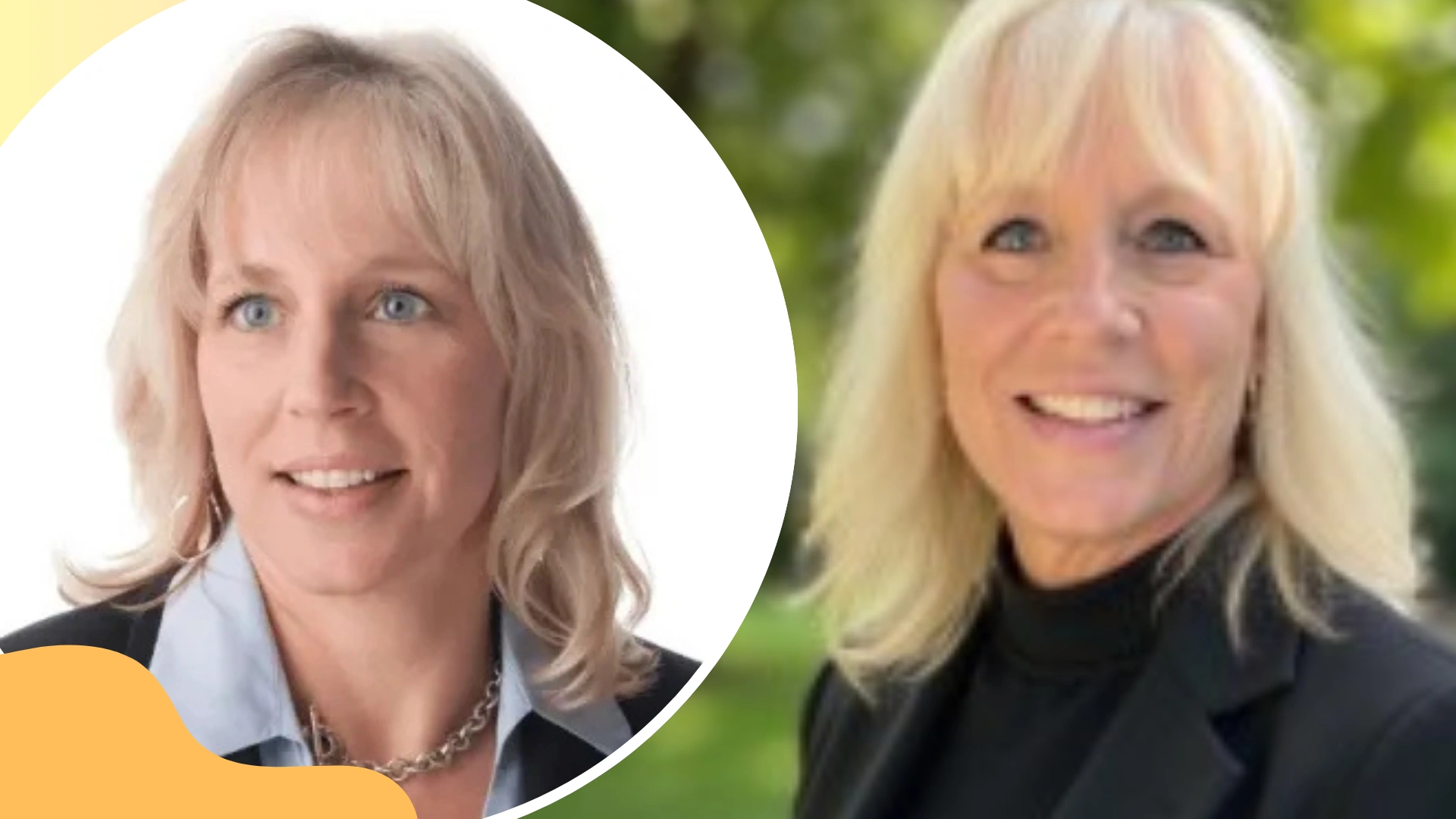
Patti Heid is often introduced to the public as a footnote in someone else’s biography, but her own story is far more layered than a single sentence about a marriage. She is a working visual artist whose career spans decades, a mother, and a woman who has spoken candidly about both her creative process and the difficult chapters of her personal life. For many people, the first encounter with her name comes through a curiosity about her years married to actor and comedian Cheech Marin. That connection is real, and it matters to her story, but it is not the whole of who Patti Heid is. This piece looks at her early life, her development as an artist, the years of her marriage and its end, and the body of work she has built that stands apart from any relationship.
Who Is Patti Heid
Patti Heid was born in 1952 in the United States, the daughter of Joseph Henry Heid and Dolores Schulze. Detailed public records about her childhood are limited, which is consistent with someone who built a career around her art rather than her personal biography. What is documented, largely through her own artist statements and gallery materials, is that she came from a family with a hands-on relationship to craft and color. In writings published on her own website, Heid has described formative early memories tied to her father’s work refinishing and painting automobiles, recalling the smell of lacquer and upholstery and the visual pleasure of paint sample cards. She has framed that environment as the origin point for her lifelong attention to color, texture, and surface, elements that later became central to her paintings.
By the time she reached adulthood, Heid had committed to a path as a professional artist rather than pursuing fame through any other avenue. That distinction is worth underlining, because so much of what circulates about her online treats her as a supporting character in someone else’s Hollywood story. In reality, Patti Heid built an independent exhibition history, developed a recognizable visual style, and has been written about in art press on the strength of her own work.
Early Career and Artistic Development
Heid’s artistic identity took shape during a period when American visual art was absorbing the influence of movements like Conceptualism and Process art, both of which grew out of a reaction against the Minimalism that preceded them. She has cited that era, the 1970s in particular, as a major creative touchstone. Her practice ultimately became distinctive for how it merges digital and painterly techniques: she works from real video imagery, which she enlarges and manipulates on a computer before airbrushing acrylic onto canvas to recreate the flattened, glowing look of a video screen. Over that digitally derived base, she then layers heavy brushstrokes, streaks, and thick applications of paint by hand, a combination she has described as a way to inject more raw emotion, or what she calls angst, into otherwise mechanically sourced images.
This hybrid method, part media commentary and part traditional painting, has been the throughline of her exhibited work. Heid has spoken about her frustration with celebrity culture and media saturation as a driving force behind the imagery she chooses. In interviews tied to her shows, she has pointed to the way public figures are elevated into heroes and idols by television and news coverage, and how unsettling she finds it that those same media structures shape what audiences believe and value. Her paintings, built from manipulated broadcast stills, are her attempt to comment on that dynamic directly, taking the raw material of mass media and physically reworking it into something more personal and unsettled.
Exhibition History and Recognition
Patti Heid’s exhibition record reflects a sustained, professional art career rather than a brief or incidental one. She has shown work at Patricia Correia Gallery in Santa Monica across multiple years, at Solway Jones in Los Angeles, at Universal Concepts Unlimited in New York, and at the Walter Wickiser Gallery in New York. Her work was also featured in the Bergdorf-Goodman windows in New York, a placement that speaks to crossover appeal between the fine art and commercial design worlds. Later in her career, she held solo shows at the Los Angeles Center for Digital Art, including a 2005 exhibition of airbrushed digital paintings incorporating hand-sewn silk thread, feathers, beads, Austrian crystals, sequins, pearls, and gold and silver bullion, and a 2011 show titled Radioactive that continued her exploration of manipulated media imagery.
Her work has also been tracked by art market resources such as Artsy and Artprice, both of which catalog her biography, exhibition history, and auction activity alongside thousands of other working artists. That kind of market documentation is typically reserved for artists with a genuine, ongoing presence in gallery and collector circles, further reinforcing that Heid’s art career exists independently of her personal life and has been evaluated on its own terms by people in the art world.
Marriage to Cheech Marin
Patti Heid is widely recognized for her marriage to Cheech Marin, the Mexican-American comedian, actor, musician, and activist best known as one half of the comedy duo Cheech and Chong. The two married on April 1, 1986, and remained married until their divorce in 2009, a period of more than two decades. It was Marin’s second marriage; he had previously been married to Rikki Marin from 1975 to 1984, and he later married Natasha Rubin in 2009. Heid and Marin had two children together, including a son, Joey Dee Marin, born in 1985.
During their marriage, Heid was frequently photographed alongside Marin at premieres and public events throughout the 1980s, 1990s, and 2000s, appearing with him at film openings such as Desperado, The Mask, and Tin Cup, as well as at industry events including the People’s Choice Awards and the Latin Grammy Awards. Those years placed her, at least publicly, in the orbit of Hollywood social life even as she continued developing and exhibiting her own art.
It is also worth noting, because it is part of the documented public record surrounding the marriage’s end, that Heid has stated she experienced difficulty and conflict during the relationship, including a reported restraining order filed against Marin amid the couple’s separation. Details of that period were covered by entertainment outlets at the time and are part of the broader public account of the marriage’s dissolution. As with most private disputes that become public, the full context of what happened between two people is not something outside observers can verify in complete detail, and it is presented here only as part of the documented record rather than as a definitive account of either party’s conduct.
Life After Divorce
Following her divorce from Marin in 2009, Patti Heid has largely maintained the same low public profile she held throughout the marriage, continuing to focus on her art rather than seeking a media presence. She has not been a frequent subject of celebrity coverage in the years since, and detailed, verified information about her current personal life, including her whereabouts or day-to-day activities, is not widely available through credible sources. This is consistent with the pattern she established earlier in her life: Heid has never appeared to court public attention for its own sake, and her digital footprint remains centered on her artist website and gallery archives rather than social media or press appearances.
What can be said with more confidence is that her artistic identity did not depend on her marriage and has continued past it. Her body of work, spanning multiple gallery representations and more than one solo exhibition, exists as a standalone record regardless of her marital history.
Artistic Themes and Style
A close look at Heid’s stated artistic intentions reveals a consistent thread across her career: skepticism toward media-manufactured celebrity and a desire to use art as a form of quiet resistance. She has described her subject matter, drawn from real video footage of public figures and news broadcasts, as a way of examining how modern audiences form attachments to people they only know through a screen. By physically distorting and reworking those images, first digitally and then by hand, she creates pieces that feel simultaneously familiar and unsettling, recognizable faces rendered strange through color, texture, and layered materials.
She has spoken about feeling that she cannot single-handedly change the world, but that her art represents an effort to process and respond to things she finds troubling about contemporary culture. That sentiment, expressed plainly in interviews tied to her shows, gives her work an emotional register that goes beyond technical skill. It positions her less as a portraitist of celebrity and more as a critic of the systems that produce celebrity in the first place, an irony not lost on anyone examining her own life story, given how much of the public interest in her stems from her own marriage to a famous person.
Why People Still Look Into Patti Heid Today
Interest in Patti Heid persists for a few overlapping reasons. She remains connected, in public records and biographical references, to Cheech Marin, whose career as an actor and comedian continues to draw new generations of fans through reruns, streaming availability of his films, and his ongoing public work, including his well-documented efforts as a major collector and advocate for Chicano art. Anyone digging into Marin’s biography, particularly his personal life and family history, tends to encounter Heid’s name as part of that record.
At the same time, her own art career gives her a separate and legitimate reason to be remembered. Collectors, gallery archives, and art market databases document her work independently of her marriage, meaning she occupies a real, if modest, place in the history of Los Angeles and New York gallery exhibitions from the 1990s through the 2000s. For anyone interested in the intersection of digital manipulation and traditional painting during that period, her exhibition record offers a genuine point of reference.
There is also a simpler explanation for the continued curiosity: people are naturally drawn to understanding the full picture behind long marriages that end in divorce, especially when one partner is a public figure and the other has largely stayed out of the spotlight. Patti Heid represents a case where the more private partner turns out, on closer inspection, to have a substantial and interesting story of her own.
Conclusion
Patti Heid’s life resists the shorthand version so often applied to her online. She is not simply Cheech Marin’s ex-wife. She is an artist with a documented exhibition history stretching across major American cities, a distinctive technique that blends digital manipulation with traditional handwork, and a clearly articulated point of view about media, celebrity, and image-making. Her marriage to Marin spanned more than two decades and produced two children, and its ending, like many divorces involving public figures, generated some coverage at the time. But reducing her to that single relationship overlooks the deliberate, sustained creative work she has produced across her career.
For those coming to her story for the first time, the more accurate takeaway is that Patti Heid is a painter and mixed-media artist first, whose personal history happens to intersect with a well-known name, rather than a public figure whose only notable trait is that intersection. Her exhibitions, gallery representation, and artist statements offer a far more complete and interesting account of who she is than any single line about her marital status ever could.
Frequently Asked Questions
Who is Patti Heid?
Patti Heid is an American visual artist known for her mixed-media paintings that combine digitally manipulated video imagery with hand-applied paint and embellishment. She is also recognized publicly as the second wife of comedian and actor Cheech Marin.
What kind of art does Patti Heid make?
She creates paintings that start from real video and news footage, which she enlarges and alters digitally before airbrushing and hand-painting the images onto canvas, often adding materials like beads, crystals, and thread.
How long was Patti Heid married to Cheech Marin?
They married on April 1, 1986, and divorced in 2009, a marriage of more than two decades that produced two children.
Where has Patti Heid exhibited her work?
Her exhibition history includes Patricia Correia Gallery in Santa Monica, Solway Jones and the Los Angeles Center for Digital Art in Los Angeles, and Universal Concepts Unlimited and Walter Wickiser Gallery in New York.
Why is Patti Heid still a subject of interest today?
Her continued recognition comes from a combination of her documented independent art career and her long, high-profile marriage to Cheech Marin, whose own career keeps drawing renewed attention to their shared history.
Leave a Reply